


Eco-Friendly Landscaping Ideas for Your Home

Creating a beautiful outdoor space that’s kind to the environment is easier than you might think. With a few smart choices, you can transform your yard into a sustainable haven that saves water, supports local wildlife, and reduces your carbon footprint. I’m excited to share some practical, eco-friendly landscaping ideas that will help you do just that. Whether you’re starting fresh or updating your current garden, these tips will inspire you to make greener choices that look fantastic.
Embrace Native Plants for a Thriving Garden
One of the best ways to create an eco-friendly landscape is by choosing native plants. These plants are naturally adapted to your local climate and soil, which means they need less water, fertilizer, and pesticides. Plus, native plants provide food and shelter for local wildlife like birds, bees, and butterflies.
For example, if you live in a region like Stephenville, TX, consider incorporating native grasses, wildflowers, and shrubs that thrive in the Texas climate. Plants like bluebonnets, Indian paintbrush, and Texas sage are not only beautiful but also drought-tolerant and low-maintenance.
Why native plants?
Require less water and care
Support local ecosystems
Reduce the need for chemical fertilizers and pesticides
Help prevent soil erosion
By planting native species, you’re creating a landscape that works with nature, not against it. This approach saves you time and money while making your yard a vibrant, healthy space.

Practical Eco-Friendly Landscaping Ideas to Save Water and Energy
Water conservation is a big part of eco-friendly landscaping. Here are some ideas that can help you reduce water use without sacrificing beauty:
Install a rainwater harvesting system: Collect rainwater from your roof to water your plants. It’s free, clean, and reduces demand on municipal water supplies.
Use drip irrigation: This method delivers water directly to plant roots, minimizing evaporation and runoff.
Group plants by water needs: Create zones in your garden where plants with similar water requirements are grouped together. This makes watering more efficient.
Choose permeable paving: Instead of concrete or asphalt, use permeable materials like gravel or porous pavers. They allow rainwater to soak into the ground, reducing runoff and recharging groundwater.
Add mulch: Mulching around plants helps retain soil moisture, suppress weeds, and improve soil health. Organic mulches like wood chips or straw break down over time, enriching the soil.
Energy savings can also be part of your landscaping plan. Planting shade trees near your home can reduce cooling costs in the summer. Deciduous trees are perfect because they provide shade in warm months and let sunlight through in winter.
If you want to take your eco-friendly landscaping to the next level, consider consulting with local experts. For instance, 1 way landscape de leon offers tailored solutions that blend sustainability with stunning design.

Is $100 an hour too much for landscape work?
When it comes to landscaping services, you might wonder if paying $100 an hour is reasonable. The answer depends on several factors, including the scope of work, expertise, and quality of materials used.
Professional landscapers bring valuable skills and knowledge to the table. They can design efficient irrigation systems, select the right plants, and ensure proper installation. This expertise often saves you money in the long run by avoiding costly mistakes and reducing maintenance needs.
In areas like Stephenville, TX, where climate and soil conditions can be challenging, hiring a skilled landscaper ensures your eco-friendly ideas thrive. If you’re investing in sustainable landscaping, it’s worth considering the value of quality work over just the hourly rate.
Remember, landscaping is not just about aesthetics. It’s about creating a functional, sustainable outdoor space that adds value to your property and enhances your lifestyle. So, while $100 an hour might seem steep, the benefits of professional expertise often justify the cost.
Create Wildlife-Friendly Spaces in Your Yard
One of the most rewarding parts of eco-friendly landscaping is attracting and supporting wildlife. Birds, butterflies, bees, and other pollinators play a crucial role in maintaining healthy ecosystems. You can invite them into your yard with a few simple steps:
Plant a variety of flowering plants: Choose species that bloom at different times to provide nectar throughout the growing season.
Add bird feeders and birdbaths: These provide food and water, especially during dry periods.
Create shelter: Use native shrubs, trees, and brush piles to offer safe places for animals to nest and hide.
Avoid pesticides: Chemicals can harm beneficial insects and pollinators. Opt for natural pest control methods instead.
Include a small water feature: A pond or shallow dish with fresh water can attract frogs, dragonflies, and other wildlife.
By making your yard a welcoming habitat, you’re contributing to biodiversity and enjoying the beauty of nature right outside your door.
Sustainable Lawn Care Tips That Make a Difference
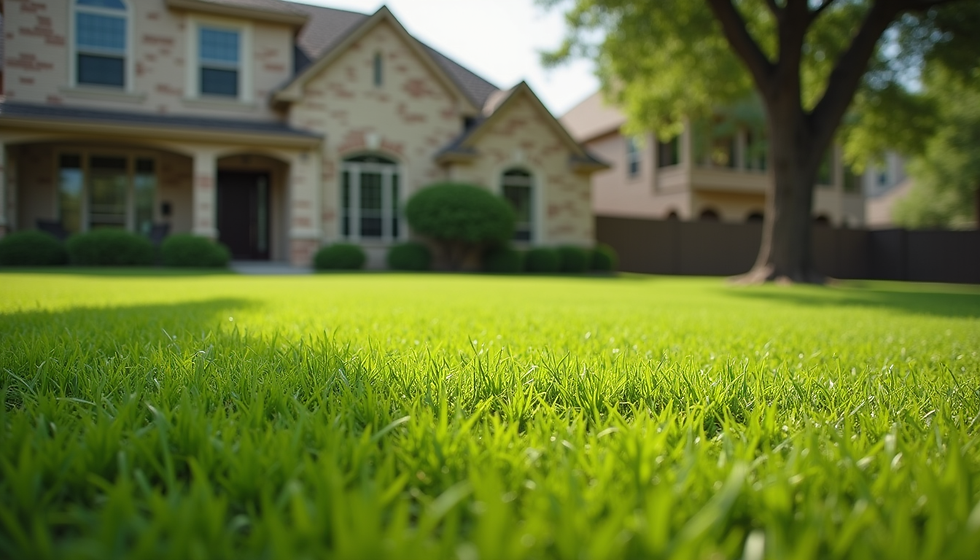
Lawns can be a challenge when it comes to eco-friendly landscaping. Traditional lawns often require lots of water, fertilizer, and mowing. But there are ways to keep your lawn green and sustainable:
Choose drought-tolerant grass varieties: These grasses need less water and are more resistant to heat and pests.
Mow high: Keeping your grass a bit taller helps shade the soil, reducing evaporation and weed growth.
Leave grass clippings on the lawn: This natural mulch returns nutrients to the soil and reduces the need for fertilizer.
Water deeply but infrequently: This encourages deep root growth, making your lawn more drought-resistant.
Aerate your lawn: Aeration improves soil health and allows water and nutrients to reach roots more effectively.
If you want to reduce lawn size, consider replacing some grass areas with ground covers, native plants, or hardscaping. This reduces maintenance and water use while adding visual interest.
Eco-friendly landscaping is a wonderful way to create a beautiful, sustainable outdoor space that benefits you and the environment. By choosing native plants, conserving water, supporting wildlife, and practicing sustainable lawn care, you’re making a positive impact right at home. If you’re ready to get started, remember that expert help is just a click away with 1 way landscape de leon. Your dream eco-friendly yard is within reach!
Happy gardening!


Comments