


When to Trim Trees: The Complete Guide
- 1 Way Landscape

- Jun 8
- 4 min read
Updated: Jul 6
When to Trim Trees: A Guide for Homeowners in Stephenville, TX
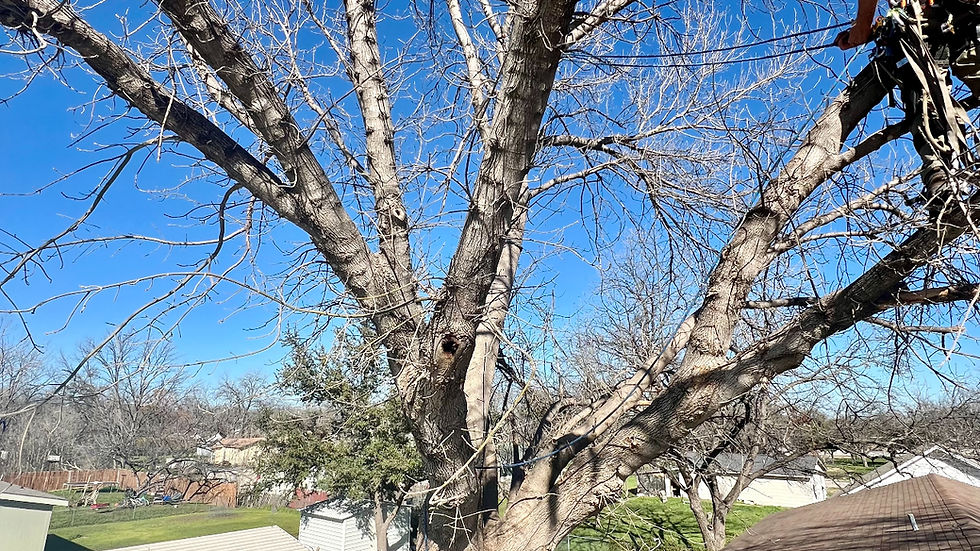
Why Knowing When to Trim Trees Matters
Understanding when to trim trees is crucial for maintaining a safe and healthy property. Tree trimming is not just about appearance; it plays a vital role in preventing damage, improving growth, and reducing serious safety hazards.
In Texas, where storms, high winds, and rapid growth are common, regular trimming is essential. Without it, trees can quickly become overgrown, weak, and dangerous.
When to Trim Trees for Best Results
The best time to trim trees depends on the type of tree and your goals. Generally, trimming should occur during periods of slower growth.
Best Times of Year
Late Winter to Early Spring: This is the ideal time for most trees. Trimming during dormancy promotes strong regrowth and reduces stress.
Mid-Summer (Light Trimming Only): Good for removing dead or damaged branches, but avoid heavy cutting.
Fall (Limited Trimming): Usually not recommended for major trimming, as trees are preparing for dormancy.
A consistent tree care schedule helps ensure your trees stay strong year-round.
Signs Your Trees Need Trimming
If you're unsure when to trim trees, look for these common signs:
Dead or broken branches
Branches hanging over your roof or driveway
Limbs touching power lines
Thick, crowded canopy blocking sunlight
Uneven or leaning growth
These signs indicate your tree may already be developing overgrown problems or potential hazards.
Overgrown Tree Problems You Should Not Ignore
Ignoring trimming can lead to serious overgrown tree problems that affect both safety and health.
Common Issues Include:
Weak branch structure
Increased risk of falling limbs
Reduced airflow and sunlight
Higher chance of disease
Damage to roofs, fences, or vehicles
Overgrowth can also make trees more vulnerable during storms, creating major safety hazards for your property.
Tree Safety Hazards and Risk Prevention
Untrimmed trees can quickly become dangerous, especially in Texas weather.
Major Tree Safety Hazards:
Branches falling during storms
Limbs interfering with power lines
Obstructed visibility near driveways or roads
Structural imbalance leading to tree failure
Regular trimming reduces these risks and protects both your home and family.
Benefits of Tree Trimming
There are many long-term benefits of tree trimming beyond just improving appearance.
Key Benefits Include:
Improved Tree Health: Removing dead or diseased branches allows the tree to focus energy on healthy growth.
Stronger Structure: Proper trimming encourages balanced growth and reduces weak points.
Better Sunlight and Airflow: This helps prevent mold, pests, and disease.
Increased Property Value: Well-maintained trees enhance curb appeal and overall property value.
Safety and Protection: Reduces the risk of falling branches and damage during storms.
Tree Maintenance Tips Texas Homeowners Should Follow
Maintaining trees in Texas requires a strategic approach due to heat, storms, and rapid growth.
Top Tree Maintenance Tips:
Trim trees regularly based on growth patterns.
Remove dead or damaged limbs immediately.
Avoid over-trimming, which can stress trees.
Keep branches away from structures and power lines.
Monitor for pests and disease.
Following these tree maintenance tips will keep your trees healthy and manageable.
How Often Should You Trim Trees?
While the question is when to trim trees, frequency also matters.
General Guidelines:
Young trees: Every 1–2 years
Mature trees: Every 3–5 years
Fast-growing trees: More frequent trimming
A consistent tree care schedule ensures problems are caught early and prevents costly damage.
Common Tree Trimming Mistakes to Avoid
Even with good intentions, mistakes can harm your trees.
Avoid These Errors:
Over-Trimming: Removing too much at once can weaken the tree.
Incorrect Timing: Trimming at the wrong time can slow growth or cause stress.
Ignoring Warning Signs: Delaying trimming when you see signs can lead to bigger problems.
Improper Cutting Techniques: Bad cuts can leave trees vulnerable to disease.
Creating a Tree Care Schedule
A proper tree care schedule helps you stay consistent and avoid emergencies.
Suggested Schedule:
Spring: Inspect for winter damage; light trimming if needed.
Summer: Remove damaged or weak branches; monitor growth and structure.
Fall: Minimal trimming; prepare for storm season.
Winter: Ideal time for major trimming; shape and structure trees.
Planning ahead ensures your trees stay healthy year-round.
When to Call a Professional
Some situations require professional help, especially when safety is involved.
Call a Professional If:
Trees are near power lines.
Large branches need removal.
Trees show signs of disease or decay.
You notice serious structural issues.
Professionals have the tools and experience to safely handle complex trimming jobs.
Final Thoughts on When to Trim Trees
Knowing when to trim trees is essential for maintaining both safety and beauty. With a consistent tree care schedule, attention to signs, and proper maintenance, you can prevent overgrown problems and reduce serious safety hazards.
The benefits of tree trimming go far beyond appearance. It protects your property, improves tree health, and ensures long-term growth. If you want the best results, regular maintenance and professional support can make all the difference.
Remember, keeping your trees healthy is not just about aesthetics; it's about creating a safe and beautiful outdoor space for everyone to enjoy!
For more information on how to maintain your trees effectively, check out 1 Way Landscape.


Comments